
The Inherent Mystery of Monochrome
Monochrome photography and artwork have an enduring allure that captures the imagination and evokes a profound sense of mystery. Stripped of color, these images possess a stark, timeless quality that draws the viewer into a world of contrasts and subtle gradations. The use of black and white, or shades of gray, transcends the ordinary and invites us to explore deeper layers of meaning, emotion, and perception.
At its core, monochrome art is about reduction—reducing the visual elements to their most fundamental forms. This process of elimination removes the distractions of color, allowing the viewer to focus on texture, shape, light, and shadow. The stark contrasts in black and white images create a dramatic tension that heightens the emotional impact and invites contemplation. The absence of color forces the viewer to engage more deeply with the subject, to look beyond the surface and uncover the hidden stories within the frame.
One of the most compelling aspects of monochrome art is its ability to convey a sense of timelessness. Color can often date an image, tying it to a specific era or moment in time. In contrast, black and white images possess a classic, enduring quality that transcends temporal boundaries. They evoke a sense of nostalgia, a connection to the past, while simultaneously existing in the present. This timelessness lends an air of mystery, as the viewer is left to wonder about the context and story behind the image.
The play of light and shadow in monochrome art adds another layer of intrigue. The stark contrasts and subtle gradations create a dynamic interplay that can suggest movement, depth, and emotion. Shadows can conceal as much as they reveal, leaving parts of the image shrouded in darkness and inviting the viewer to imagine what lies beyond. This interplay of light and shadow adds a sense of drama and mystery, transforming the ordinary into the extraordinary.
Monochrome art also has a unique ability to evoke emotion. Without the distraction of color, the viewer is more attuned to the mood and atmosphere of the image. The simplicity of black and white can convey a range of emotions, from melancholy and solitude to joy and serenity. The absence of color allows the viewer to project their own feelings and interpretations onto the image, creating a personal and intimate connection.
In the hands of a skilled artist, monochrome photography and artwork become a powerful means of storytelling. Every choice in framing, composition, and exposure is deliberate, each decision a brushstroke on the canvas of light and shadow. The artist’s vision and intention are etched into every element of the image, guiding the viewer’s eye and shaping their perception. The inherent mystery of monochrome art lies not only in what is visible but in what is left unsaid, in the spaces between light and dark where imagination takes flight.
In conclusion, the enigmatic allure of monochrome photography and art lies in its ability to transcend the ordinary and evoke a sense of mystery and timelessness. By stripping away the distractions of color, monochrome images invite us to explore deeper layers of meaning and emotion, to engage more fully with the subject, and to uncover the hidden stories within the frame. Through the interplay of light and shadow, and the deliberate choices of the artist, monochrome art becomes a powerful means of storytelling, capturing the imagination and inviting contemplation.
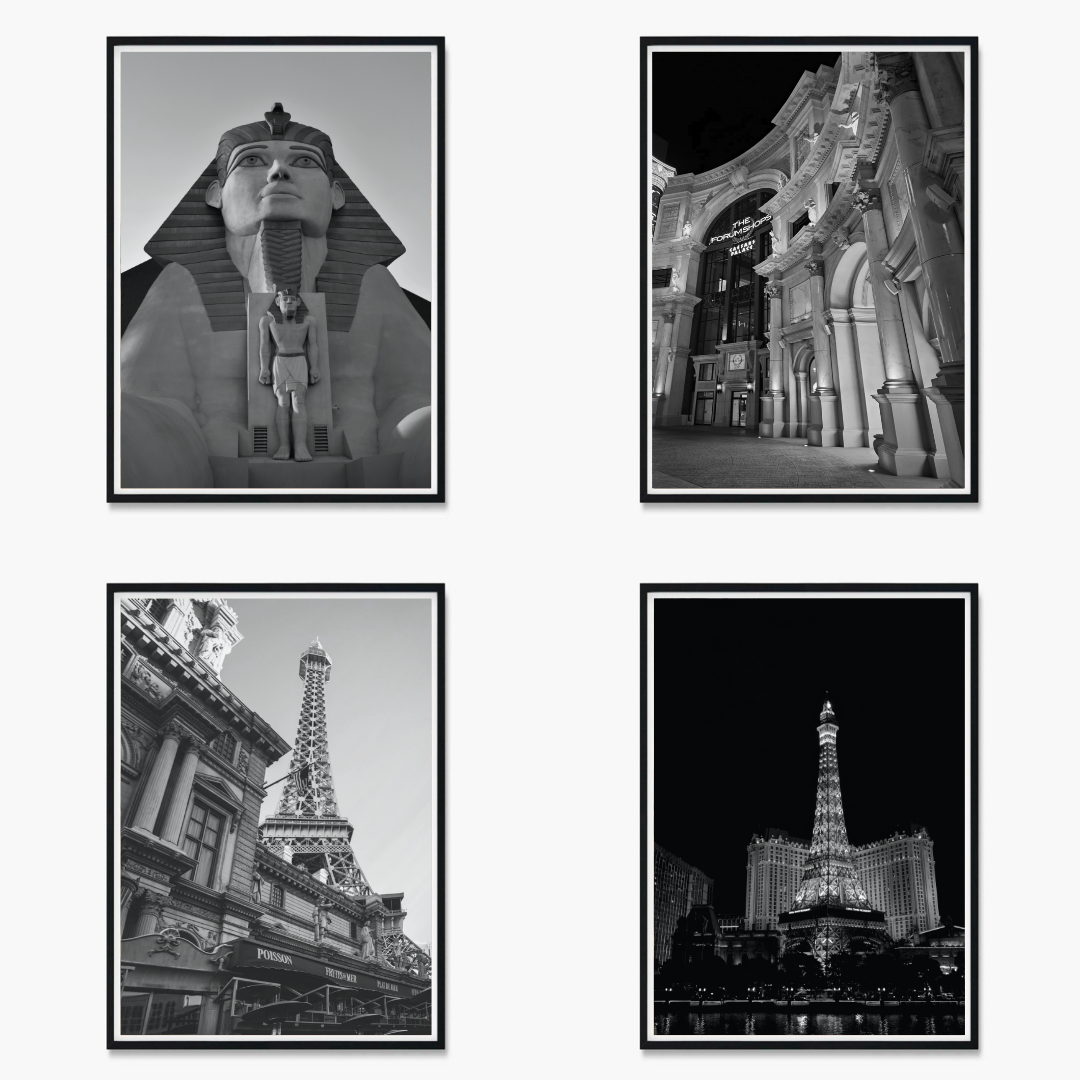
The mystery of colours stripped provokes intrigue of unknown original appearance, revealing the true dance of light and meaning in the scene.
