
Crafting Stories Through The Lens
Photography is often perceived as a medium that simply captures reality, a mechanical process of documenting what is already there. However, this perception profoundly underestimates the artistry and intent that underpin the craft. Photographers do not create the scenes they capture, but their choices in framing, composition, and timing are deliberate and decisive, transforming mere images into powerful narratives. This interplay between observation and creation is the magic of photography, an art form that articulates a desired and deliberate message with each click of the shutter.
The Illusion of Objectivity
At first glance, photography appears to be an objective endeavor. The camera, a tool of precision, records the world with an accuracy unmatched by other art forms. Unlike painting or sculpture, which are overtly interpretive, photography is often seen as a direct reflection of reality. Yet, this objectivity is an illusion. The photographer’s influence begins long before the shutter is released. It is embedded in the decisions about what to include within the frame and what to exclude, in the choice of angle, light, and moment. These decisions shape the final image, infusing it with the photographer's perspective and intention.
The Power of Framing
Framing is a fundamental aspect of photography that determines the boundaries of the image. By selecting a particular frame, the photographer dictates what the viewer sees and, crucially, what they do not see. This choice directs the viewer’s attention, highlighting specific elements while obscuring others. For instance, a photograph of a bustling city street can be framed to emphasize the towering skyscrapers, suggesting the might and grandeur of urban life. Alternatively, the frame can focus on a solitary figure amidst the crowd, evoking a sense of isolation and anonymity in the metropolis. Through framing, photographers craft the context and meaning of their images, guiding the viewer's interpretation.
Composition & The Aesthetics Of Choice
Beyond framing, composition plays a critical role in the narrative power of a photograph. Composition involves arranging elements within the frame to create a balanced and aesthetically pleasing image. This arrangement is not arbitrary but deliberate, reflecting the photographer’s intent. The rule of thirds, leading lines, symmetry, and patterns are compositional techniques that photographers use to draw the viewer’s eye to the most significant parts of the image. These techniques are tools of storytelling, used to convey emotions, direct focus, and create a visual journey. A well-composed photograph can tell a complex story in a single frame, capturing the essence of a moment with clarity and depth.
The Decisive Moment
One of the most profound concepts in photography is the "decisive moment," a term popularized by the legendary photographer Henri Cartier-Bresson. The decisive moment refers to the precise instant when the visual and emotional elements of a scene come together in perfect harmony. Capturing this moment requires not only technical skill but also intuition and foresight. It is the ability to anticipate the peak of action, the fleeting expression, or the interplay of light and shadow that transforms an ordinary scene into an extraordinary image. The decisive moment is where the photographer’s vision and reality converge, creating a powerful and evocative image that resonates with viewers.
The Narrative Power of Photography
Through their choices, photographers become storytellers, using their lens to articulate a desired and deliberate message. Each photograph is a narrative, a visual poem that speaks volumes about the subject, the photographer, and the viewer. The power of photography lies in its ability to capture not just the appearance of a scene, but its essence, its mood, and its story. A single image can evoke memories, provoke thoughts, and stir emotions. It can document history, challenge perceptions, and inspire change. Photography, therefore, is not just about seeing but about interpreting and communicating. It is about transforming the mundane into the sublime, the transient into the eternal.
Emotive Capturing: The Hallmark of Professional Photography
What sets professional photographs apart from everyday snaps is the depth of emotion they convey. While anyone can take a picture, capturing a moment that resonates emotionally requires a profound understanding of human experience and a keen eye for detail. Professional photographers excel at recognizing and seizing those fleeting instances that are rich with feeling—whether it's the joy in a child's laughter, the solemnity of a quiet landscape, or the tension of a crowded street. This emotive capturing is achieved through a combination of technical expertise and intuitive sensitivity. By manipulating light, shadow, color, and composition, photographers evoke specific moods and atmospheres, drawing viewers into the image and making them feel as if they are part of the scene. This emotional connection is what makes professional photography so powerful and enduring, elevating it beyond mere documentation to a form of expressive art.
The Magic of the Lens
In the hands of a skilled photographer, the camera becomes more than a tool; it becomes a medium of expression, a means of crafting stories that resonate and endure. Photographers do not make the scene, but through their deliberate and decisive choices, they transform it. They frame, compose, and capture moments that articulate a unique perspective and convey a profound message. This is the magic and power of photography—a dance between reality and interpretation, a visual symphony that tells the stories of our world through the lens. The ability to evoke deep emotional responses and create lasting impressions distinguishes professional photography, showcasing the art’s true essence and its capacity to touch the human soul.
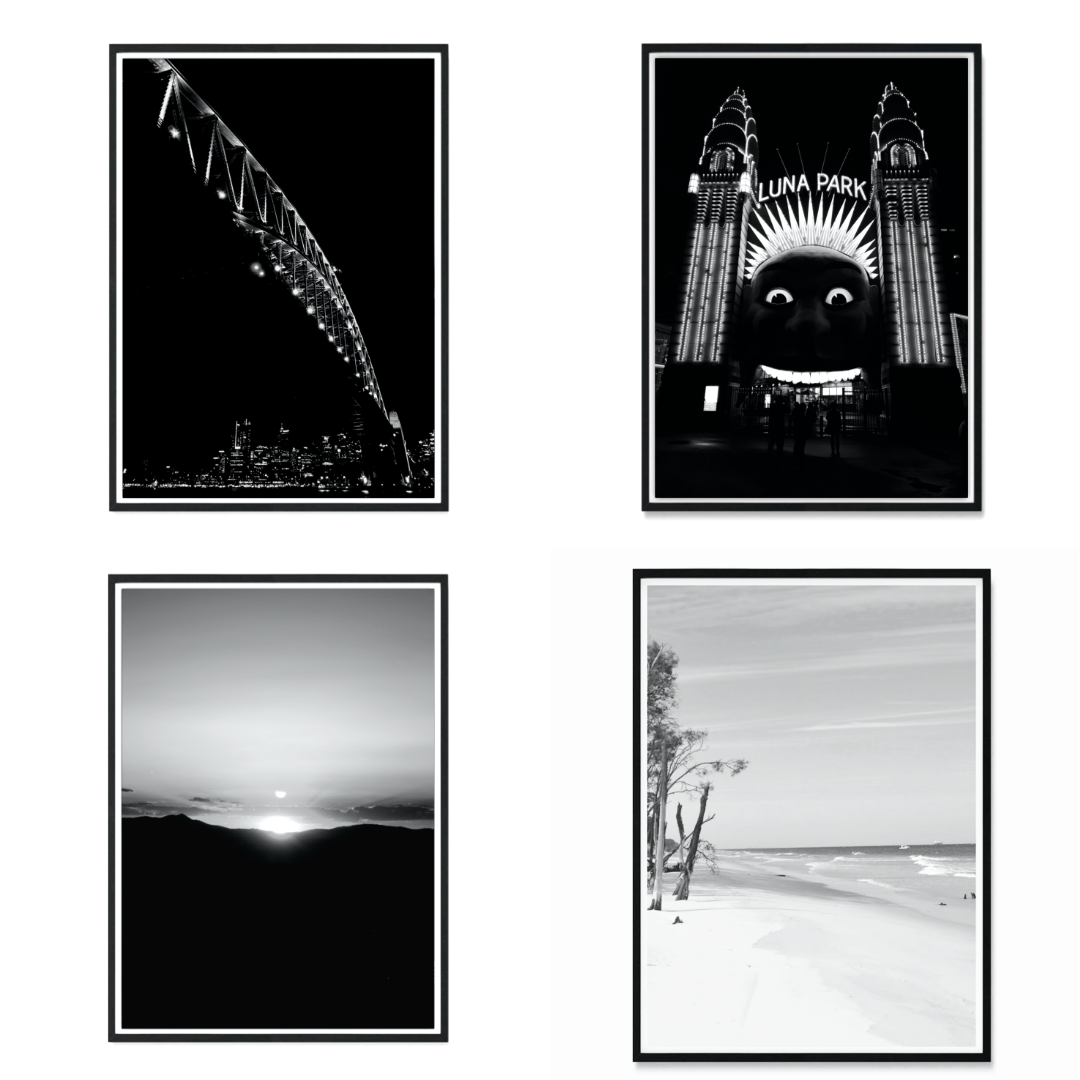
Good photography should in the least, make a mood clear to you. Great Photography should illicit emotions within you.
