
Monochrome, Love It or Hate It?
Black and white photography, with its stark contrasts and timeless aesthetic, evokes strong preferences and emotions, often dividing opinions into passionate extremes. Its polarising nature lies in its ability to strip away the distractions of color, revealing the essence of the subject in a way that is both raw and refined. This distinctive characteristic makes black and white photography a preferred medium for some, while others view it as a departure from reality.
One of the key reasons for the polarising preference is the unique visual language that black and white photography employs. By eliminating color, photographers are compelled to focus on composition, texture, light, and shadow. This emphasis on fundamental visual elements can create images that are striking and evocative, appealing to those who appreciate the artistry and abstraction involved. For these enthusiasts, black and white photography is a form of visual poetry, where each element is meticulously chosen to convey emotion and meaning.
Conversely, the absence of color can be disconcerting for those who view color as an essential aspect of the photographic experience. Color adds vibrancy and context, anchoring images in the reality of the moment. To some, the lack of color in black and white photography may feel like a reduction of the subject's richness and diversity. This preference for color stems from a desire for a more literal and immediate representation of the world, where hues and tones provide crucial information and emotional cues.
The polarising nature of black and white photography also stems from its historical and cultural connotations. Historically, black and white photography is associated with the early days of the medium, invoking a sense of nostalgia and timelessness. For some, this connection to the past enhances the allure of black and white images, imbuing them with a sense of gravitas and authenticity. On the other hand, this same historical association can make black and white photography seem outdated or less relevant to those who prioritize contemporary, vibrant visuals.
Furthermore, black and white photography's ability to evoke mood and atmosphere contributes to its polarising nature. The stark contrasts and subtle gradations can create images that are dramatic, mysterious, and emotionally intense. This capacity for heightened emotion can be profoundly moving for some viewers, who find black and white photography deeply resonant and powerful. However, for others, this intensity may feel overwhelming or excessively stylized, leading them to prefer the more straightforward emotional palette of color photography.
The preference for black and white photography can also be influenced by the photographer's intent and the subject matter. Certain genres, such as portraiture, landscape, and street photography, often benefit from the timeless quality and focus on form that black and white provides. In these contexts, the absence of color can heighten the impact of the subject's expression, the texture of the landscape, or the rawness of urban scenes. However, in other genres, such as fashion or nature photography, the vibrant and varied palette of colors can be crucial for conveying the full essence and appeal of the subject.
The polarising preferential nature of black and white photography is a testament to its powerful and distinctive visual language. Its ability to distill the essence of a subject, evoke deep emotions, and connect with historical and cultural narratives makes it a preferred medium for some, while others may view it as a departure from the richness and immediacy of color. This divide underscores the diverse ways in which we perceive and interpret images, reflecting our individual aesthetic preferences, emotional responses, and cultural contexts. Ultimately, black and white photography's polarising nature is a celebration of the medium's versatility and the profound impact it can have on our visual and emotional experiences.
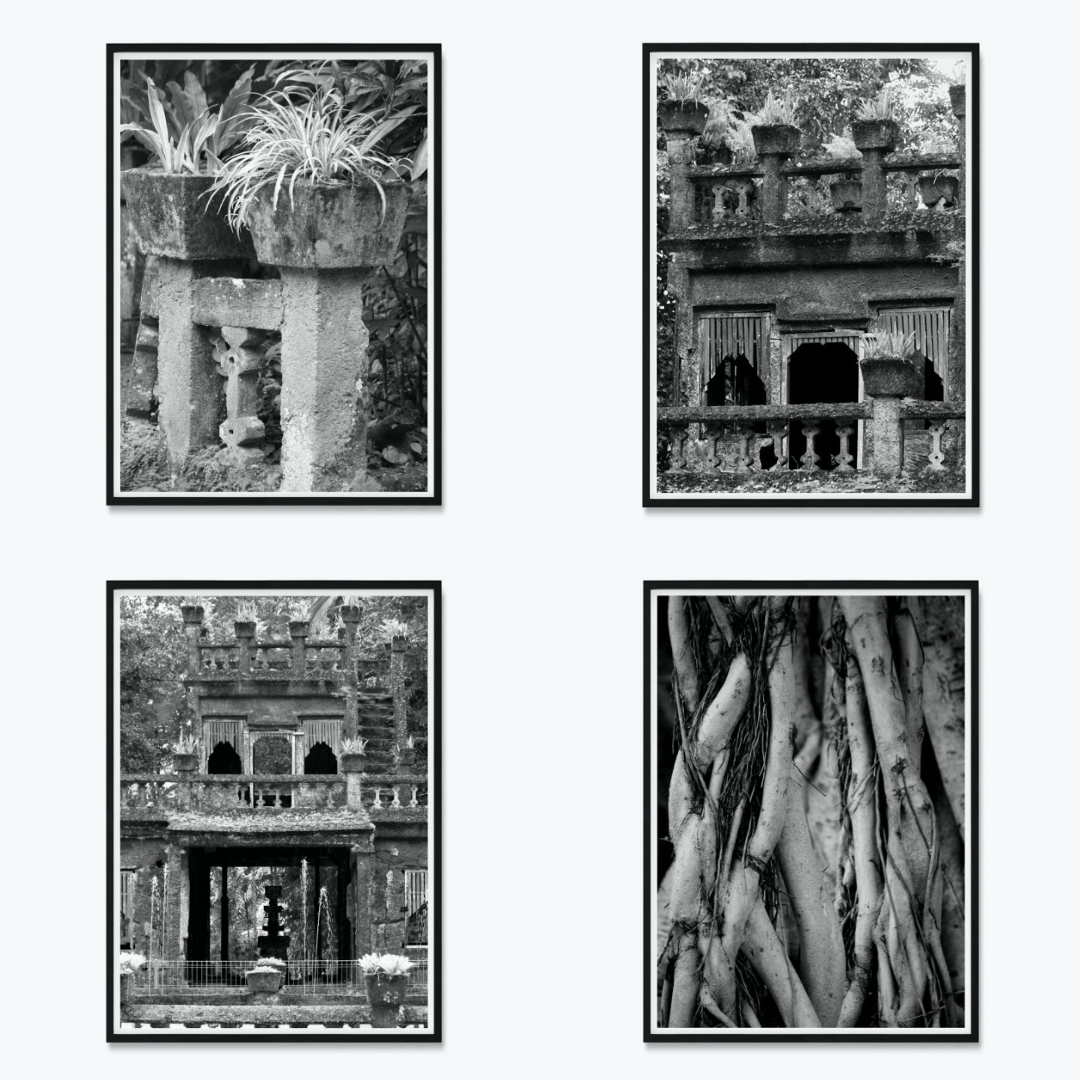
Strong art usually fosters strong opinions, perhaps one of monochromes greatest strengths, is audience polarisation.
