
Use of Blur & Adding Dimensions Beyond Visibility
Blur, often perceived as a flaw in the realm of traditional photography, has evolved into a sophisticated tool that artists employ to transcend the conventional boundaries of the medium. Intentional blur can add depth, emotion, and narrative complexity to an image, transforming the way viewers perceive and interact with a photograph. By moving beyond the crispness of sharp focus, photographers can evoke feelings, suggest movement, and highlight the abstract, thereby inviting viewers to engage with the image on a more intuitive and interpretive level.
The Emotional Resonance of Blur
One of the most compelling aspects of using blur intentionally is its ability to evoke emotion. Sharp, clear images often convey a sense of reality and objectivity, whereas blur introduces a subjective quality that can resonate more deeply on an emotional level. For instance, a blurred portrait can evoke a sense of nostalgia or longing, reminiscent of memories that are not fully formed but linger in the mind with an emotional weight. This technique allows photographers to tap into the viewer's subconscious, creating a connection that is both visceral and profound.
In addition to evoking specific emotions, blur can also convey a sense of mood or atmosphere. A landscape shrouded in mist, with soft, indistinct edges, can create a dreamlike or ethereal quality. This use of blur softens the harsh realities of the world, offering a vision that is more aligned with the viewer's inner landscape. By blurring the line between reality and imagination, photographers can craft images that speak to the heart as much as the eye.
Blur As A Narrative Device
Beyond its emotional impact, blur can serve as a powerful narrative device in photography. It can suggest motion, passage of time, or the presence of energy. For example, the technique of panning, where the camera follows a moving subject while blurring the background, creates a dynamic sense of speed and movement. This method not only captures the subject but also contextualizes it within its environment, telling a more comprehensive story.
Blur can also indicate temporal shifts or transitions, making it an effective tool for storytelling. In a series of images, varying degrees of blur can suggest the progression of time, from the sharpness of the present moment to the haziness of distant memories. This approach allows photographers to weave complex narratives that explore the fluid nature of time and experience.
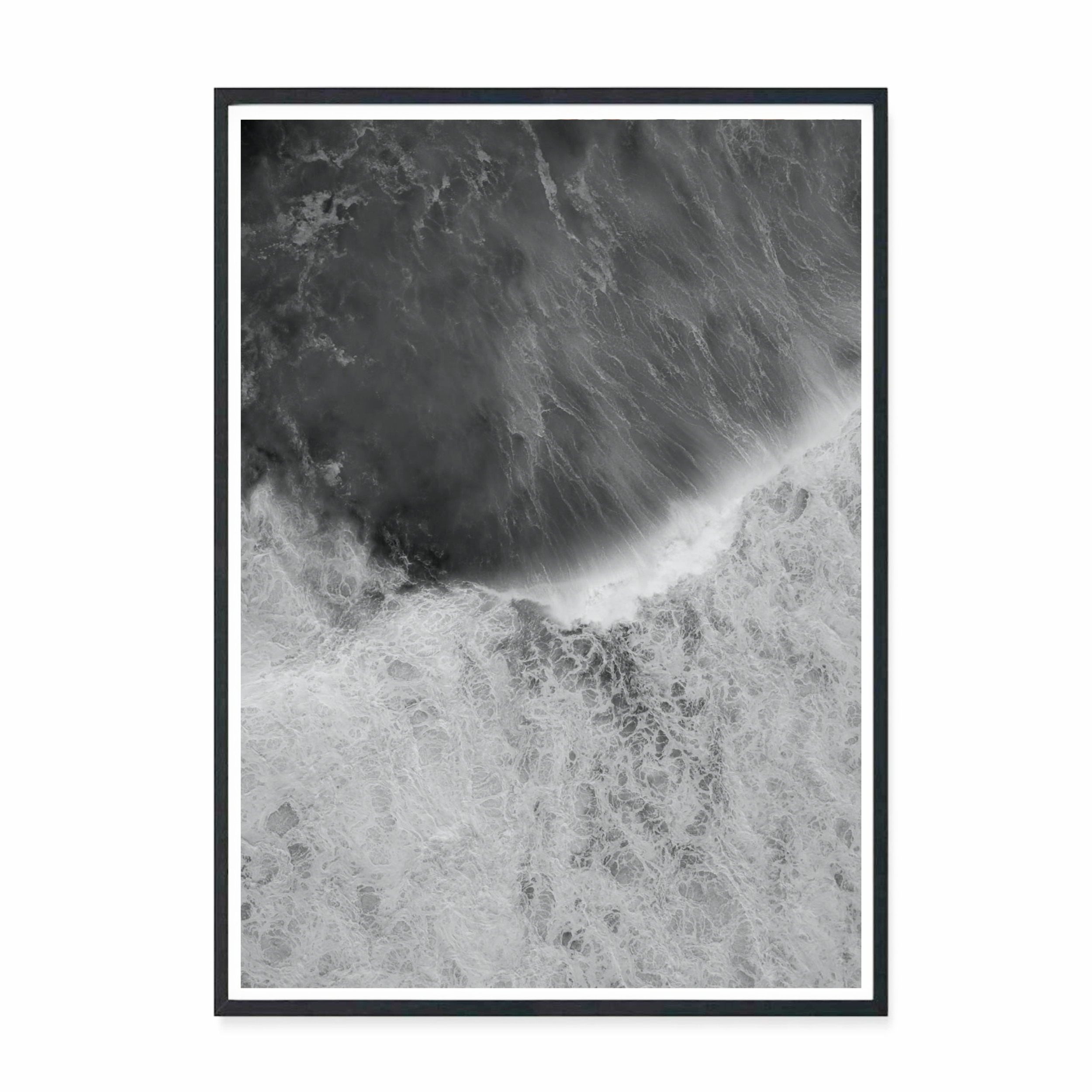
Intentional blur opens the door to abstraction, challenging the viewer's perception & encouraging a more active engagement with the image.
The Abstract & The Ambiguous
Intentional blur opens the door to abstraction, challenging the viewer's perception and encouraging a more active engagement with the image. By obscuring details and forms, blur invites viewers to fill in the gaps with their imagination, creating a dialogue between the artist and the audience. This interaction can lead to multiple interpretations, each shaped by the viewer's own experiences and perceptions.
Abstract photography, which often relies on blur, shifts the focus from the subject itself to the interplay of shapes, colors, and textures. This approach can transform ordinary scenes into extraordinary visual experiences, emphasizing the artistic qualities of composition and light over representational accuracy. Blur, in this context, becomes a medium for exploring the essence of photography as an art form, rather than a tool for documentation.
Technological & Artistic Integration
The intentional use of blur also intersects with advancements in photographic technology. Digital cameras and editing software offer unprecedented control over the degree and type of blur, allowing photographers to experiment with effects that were previously difficult to achieve. Techniques such as selective focus, motion blur, and Gaussian blur can be applied with precision, enabling artists to manipulate the viewer's attention and perception.
However, the artistic integration of blur extends beyond technical manipulation. It requires a deep understanding of composition, light, and the intended message. The decision to blur certain elements of an image must be deliberate and thoughtful, enhancing the overall narrative and emotional impact. When used effectively, blur can transform a photograph from a mere representation of reality into a nuanced expression of the artist's vision.
Blur, when used intentionally in photography, transcends its traditional role as an imperfection and emerges as a multifaceted tool for artistic expression. It adds emotional depth, narrative complexity, and abstract beauty to images, inviting viewers to engage with photographs on a deeper, more interpretive level. By embracing the ambiguity and subjectivity that blur introduces, photographers can create works that resonate with the viewer's inner world, challenging perceptions and enriching the visual experience. In the hands of a skilled artist, blur becomes a powerful medium for exploring the invisible dimensions of reality, elevating photography to new heights of sophistication and insight.
PRINT FEATURES
Free Express Shipping On All Prints
Freshly Printed On Your Choice Of Premium Papers
All Come Unframed & Are Signed On Back
*Prints May Not Appear 100% Same As On Site
